Showing posts with label Jan25. Show all posts

7/21/18

A response to the celebrated Egyptian elite "activists'

A group of Egyptian activists and ordinary citizens who are never mentioned in English media coverage

For some reason Middle East Eye decided to interview only a handful of famous activists who are not only known to have very liberal positions, but also are very open about having supported and rallied people in Egypt and abroad for #June30. 

While they have all by a way or another paid a price from their personal freedoms due to the crackdown of the Egyptian military dictatorship on all opponents, they all clearly insist on stating that they "don't regret supporting #June30", a movement recognized as undemocratic, irrational, and catastrophic by all those who care or don't care about the prosperity of Egypt.   

It is shocking and disappointing to see how Middle East Eye is shifting more and more towards giving a platform only to liberal and secular celebrity voices in Egypt, a trend that has been apparent in the majority of western media outlets since protests erupted in Egypt in 2011.

If Middle East Eye is seriously concerned with the Egyptian turmoil they need to do a better job than this. You can hire an Arabic-English translator or try to find more people to interview other than the 10 upper-middle-class Egyptians who supported the coup whom everyone in the world interviews since 2011.

We are writing this blog however because we were delighted to see a wonderfully written response from a commentator on the silly article. The comment breaks down the issue of Egyptian liberal elites contributing to the crisis in Egypt. To our surprise, the comment was by Jim Toth, an anthropologist who studies Egypt, the Arab world, and the wider Islamic community. He has taught at the American University of Cairo and at Northeastern University, and since 2011, has worked at New York University in Abu Dhabi. He is the author of Rural Labor Movements in Egypt and Their Impact in the State, 1961-1992. 

Here is a link to the Middle East Eye article:


http://www.middleeasteye.net/in-depth/A-revolution-betrayed-living-in-Egypt-s-worst-era-1003870706
 
Here is Jim Toth's brilliant response:

Abdel Fatah and her friends are hypocrites. Democracy is when all the people voice their choice and opinion. She and her friends may have their own opinion – support Sisi and oppose Morsi – and so let them vote their choice along with all the millions of other voters in Egypt by holding honest elections. 

But to support an anti-democrat such as Sisi and to support the anti-democratic forces that removed Morsi without due process of an election – this is hypocritical. Don’t say Abdel Fatah was a “co-founder” of April 6. She and her friends are still hypocrites because in the last election
prior to July 3, Morsi had won, and they should, if they are true democrats, respect the people’s decision. 


It is not up to them and their elitist friends (the National Salvation Front) to use their social position, their access to the media, and their westernized demeanor to then remove a democratically-elected president, or support his illegal removal, whether or not he made serious mistakes (mistakes that were amplified and exaggerated by an anti-Brotherhood media). 

Nobel prize? Perhaps she ought to stand in line behind Trump. Both are so preposterously unqualified for a Nobel prize that to consider them seriously degrades the value of the prize itself.

For good reason or bad, the majority of ordinary Egyptians had voted in Morsi, and thus, Abdel
Fatah, along with her elitist friends, along with Sisi and the military, have no right in a democracy to overturn the election, unless they are willing to admit it is anti-democratic act and, therefore, the first step on the road to an authoritarian regime. To then pat themselves on the back and say “what good liberals we are” is the height of hypocrisy.


Is this a conflict between “east Cairo” (old Islamic Cairo) (along with Giza) against European Cairo (the nationalists) and the “wings” of New Cairo and October 6 (the neo-liberals)? Abdel Fatah and her crowd are so willing to dismiss the values and principles of the majority of her country-men and -women in those areas who wanted, and voted for, an uncorrupted (naïve?) candidate as president, one that did not have all the un-Egyptian trappings of ibn al-zayyat. In the last presidential elections, many more Egyptians supported a Muslim Brotherhood government than they supported a secular, westernized elitist government. 

She and her friends ought to recognize that, show some humility, some respect, and in democratic fashion, work within the system rather than support and commit extra-legal, unconstitutional acts.

For all her deeds, and those of her friends, they got Sisi, a 100-fold worse than Morsi. Had they been patient, respectful, and lawful, or had insisted on respect, legitimacy, and real democracy, they would not be stuck with Egypt’s worst dictator.

Perhaps they got what they deserved, but, of course, they are not going to be the ones who really hurt for it. But it is the Egyptian people, those unable to make it through the dismal economy and those jailed for belonging to the Brotherhood, who do not deserve this calamity. 

This crime lies squarely on the shoulders of the secular liberals who ought to have known better, but made a pact with the devil in order to assure themselves that their beliefs and way of life are better than those of the majority of Egyptian.

3/26/18

Egyptian Presidential Elections: 2012 and now

Today is the beginning of the farce elections where General Abdul Fattah Al Sisi is the only candidate running. You don't hear much anywhere in the world that this is taking place because it's a shameful joke that nobody is going to take seriously. 

I remember how things were completely different 6 years ago during the elections in 2012. Although I decided not to vote to any of the candidates, I can't deny that the atmosphere and the accomplishments we made were a source of pride and hope for us Egyptians and everyone else who was following us around the world.

Egypt experienced 1 genuine historical round of elections in 2012 after the blessed Egyptian revolution of January 25th, 2011. While it wasn't 'perfect', it was the closest experience to a democratic process Egypt could have dreamed of at that time.

After the revolution, Egypt was trying to recover long decades of military dictatorship, oppression, lack of political space, and tons of social and political illnesses.

The 2012 round came as a result of the efforts and sacrifices of the Egyptian revolutionary when their expectations and dreams were the strongest voice in the whole country.

The Supreme Council of the Armed Forces (SCAF) didn't want ANY elections held but the people at that time were pushing hard and made it possible.

Egypt had dozens of presidential candidates, Egyptians were discussing politics openly everywhere, electoral campaigns were active all over the country, freedom, excitement, and aspirations were all in the air. There was no way you could miss all of this or take it lightly. This was literally the very first time Egyptians were given the choice of choosing their ruler in a very very long time.

The overthrow of Muhammad Morsi, the first democratically elected president of Egypt who is now suffering medical negligence in prison, destroyed all of this. That's why June 30th, 2013 was a cheap military coup and if you think otherwise and claim to be a 'revolutionary' you are either deluded or fooling yourself. We will continue to speak up. 

2/28/18

Statement on recent BBC report Feb 2018


The BBC made a story recently on politically motivated enforced disappearances in Egypt after the military coup in 2013. The report featured a few cases one of them was a middle aged Egyptian woman who spoke on her daughter named Zubayda who was kidnapped and disappeared by the Egyptian state for over a year. Her testimony brought so much attention and created an uproar in the Egyptian social media sphere to the degree that the Egyptian state had to do something.
This isn't the first time local and international human rights organizations or international media spoke of the phenomenon. When the Italian PhD student Giulio Regeni was disappeared and then killed in Cairo the whole world spoke of the incident for a long time. Local and international human rights organizations have documented and spoke of 1,000s of enforced disappearance cases for the past 4 years.
However, this latest report seemed to disturb the Egyptian state so much to the degree that they eventually forced the young woman Zubaida who was disappeared for a year to come on Egyptian TV and deny that she was arrested and disappeared as the BBC report showed. It was a pathetic set up and it was clear that Zubayda had to do this under so much pressure. Her mother who appeared on the BBC was detained today, Feb 28th, 2018.
The Egyptian general prosecutor ordered lawyers and prosecutors to "Watch and report news and reports made by forces of evil". Pro-Sisi's social media accounts are roaming the internet denying that there is any torture, imprisonment, or enforced disappearances in Egypt.
While there is some spotlight on the situation in Egypt and while the issue is hot, we wanted to remind the international community and those who are confused because they can't get reliable information on what is going in Egypt that there are atrocities being committed in Egypt while the whole world is ignoring us.


We wanted to remind all of you that there was a military coup in July 2013 and that as a result of this tragedy thousands of Egyptians have paid a very high price for standing against injustice. We wanted to remind all of you that there are tens of thousands of unjustly imprisoned men, women, boys, girls, and elders whose only crime was speaking up. Ignoring what is going on in Egypt while you can say something helps the Egyptian state continue to get away with all of this.
We would like to salute all of the local Egyptian human rights organizations and human rights defenders who are working under so much pressure and risking their lives and future by continuing to do this work with very little support and recognition.
We would also like to thank the BBC team and those in HRW and other international organizations for utilizing their privileges and speaking about what is going on in Egypt from time to time.
Please check out our archives on the blog here as well as the following outlets for more related information and detailed reports on enforced disappearances in Egypt after the military coup:

The Egyptian Coordination for Rights and Freedoms

Verità per Giulio Regeni

12/16/17

American daughter campaigns to free her Egyptian parents Ola and Hosam

We wanted to highlight this case to provide more evidence on the manner in which the current military controlled government in Egypt treats people whether Egyptian or not and whether they have any political activity or not. The case is about a middle aged couple who have been detained and imprisoned for no reason but mere profiling by the Egyptian military coup forces. 

All of the text below is taken from the campaigns website:


About Ola and Hosam: 

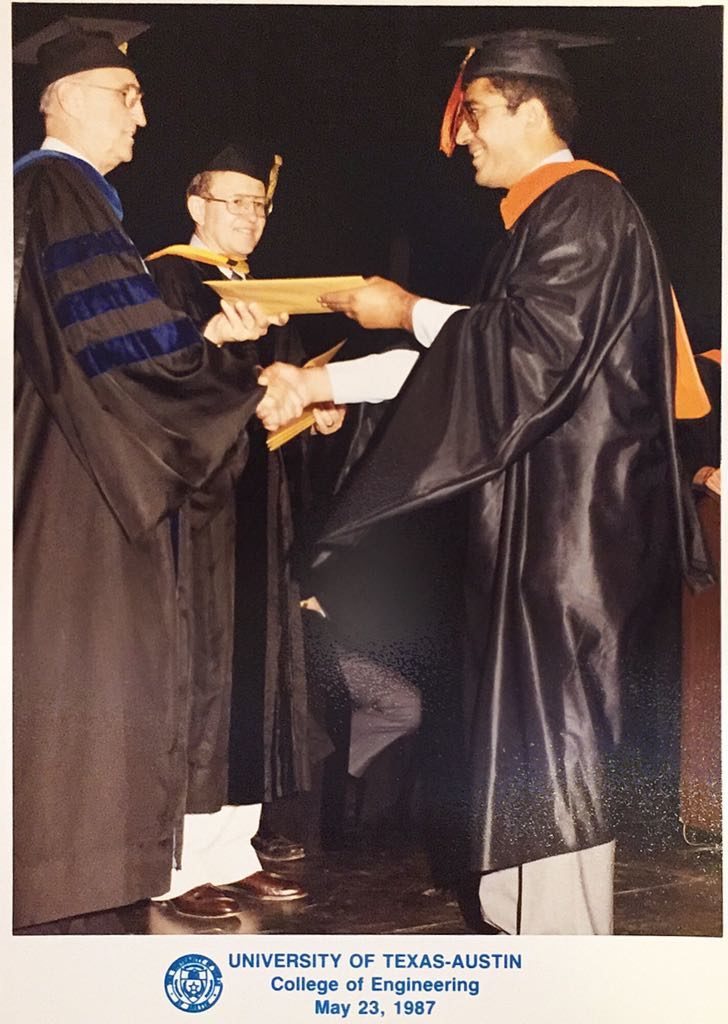
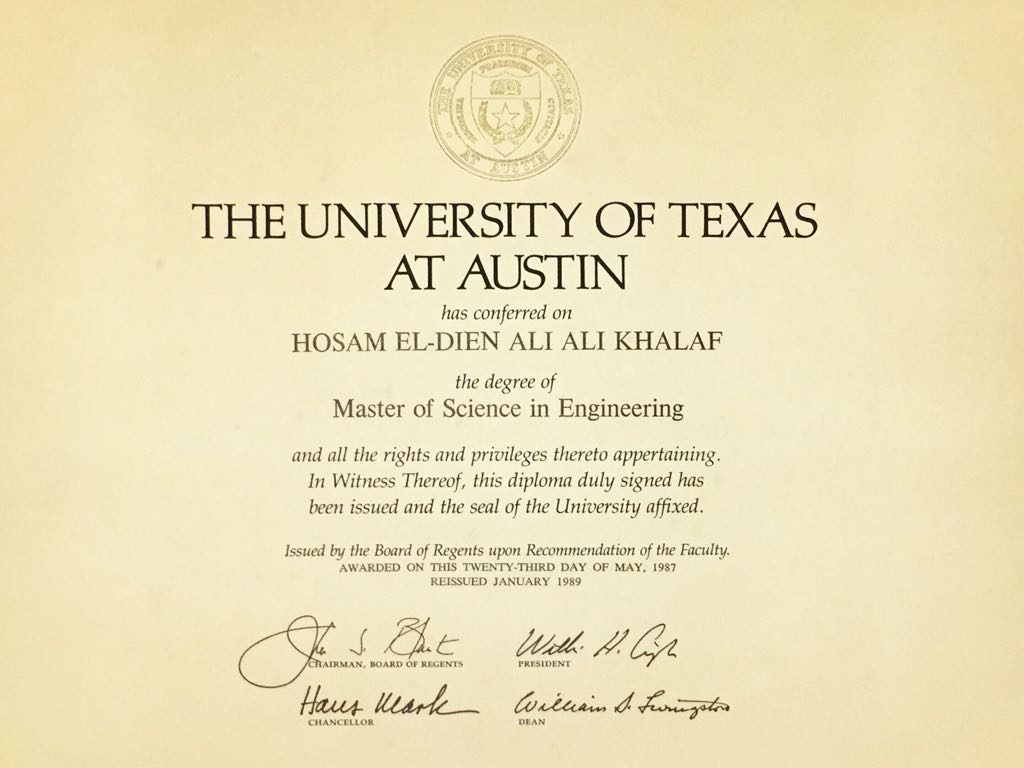
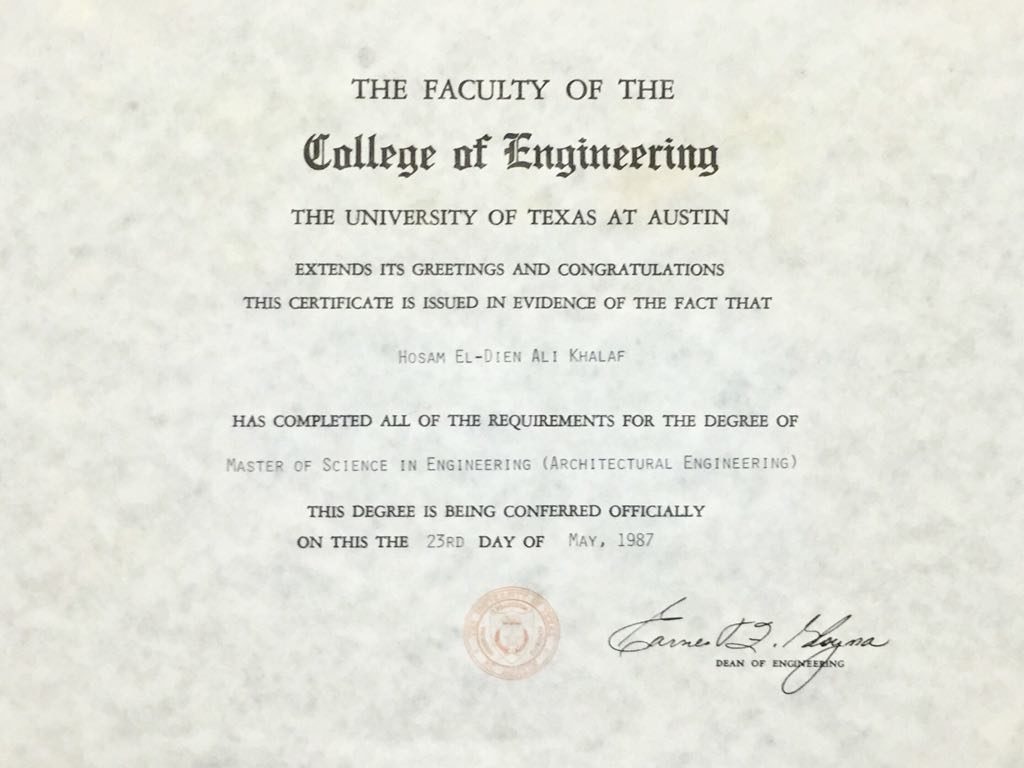
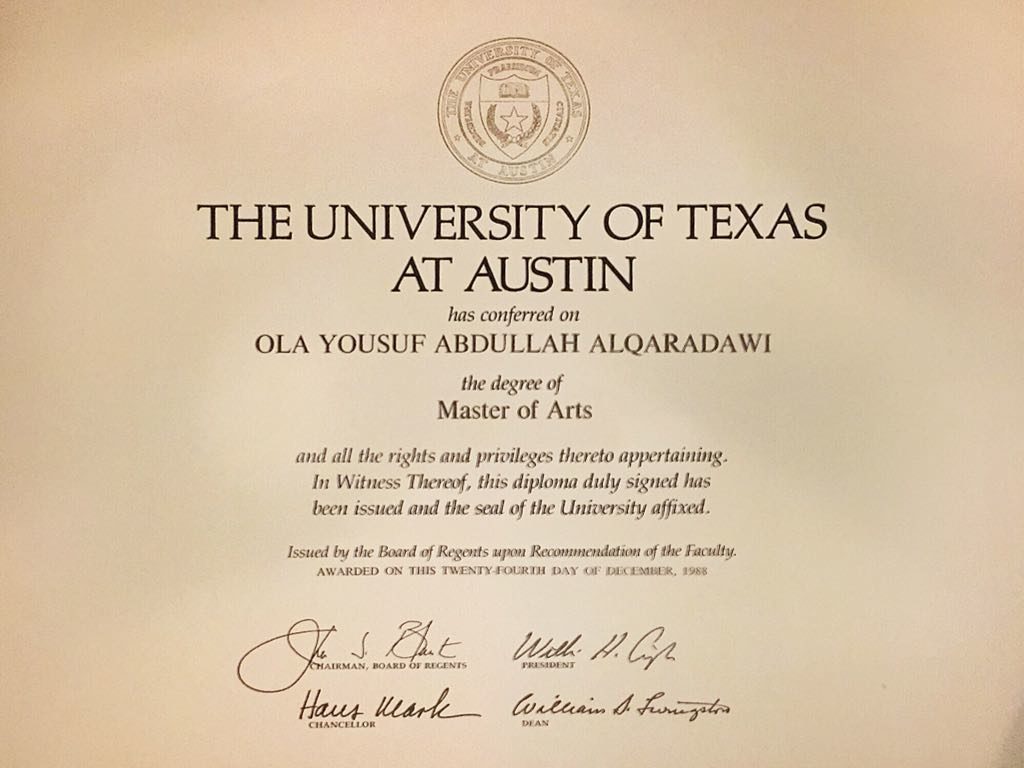
Ola is a 55 year old grandmother of Qatari nationality and Egyptian origin. She is born and raised in Qatar and completed her bachelor’s degree in biology from Qatar University. She completed her masters at the University of Texas-Austin in the United States. Ola is the daughter of well renowned Islamic scholar Sheikh Yusuf Al-Qaradawi and her late mother Isaad Abdelgawad Alharam. Ola has no political affiliations.

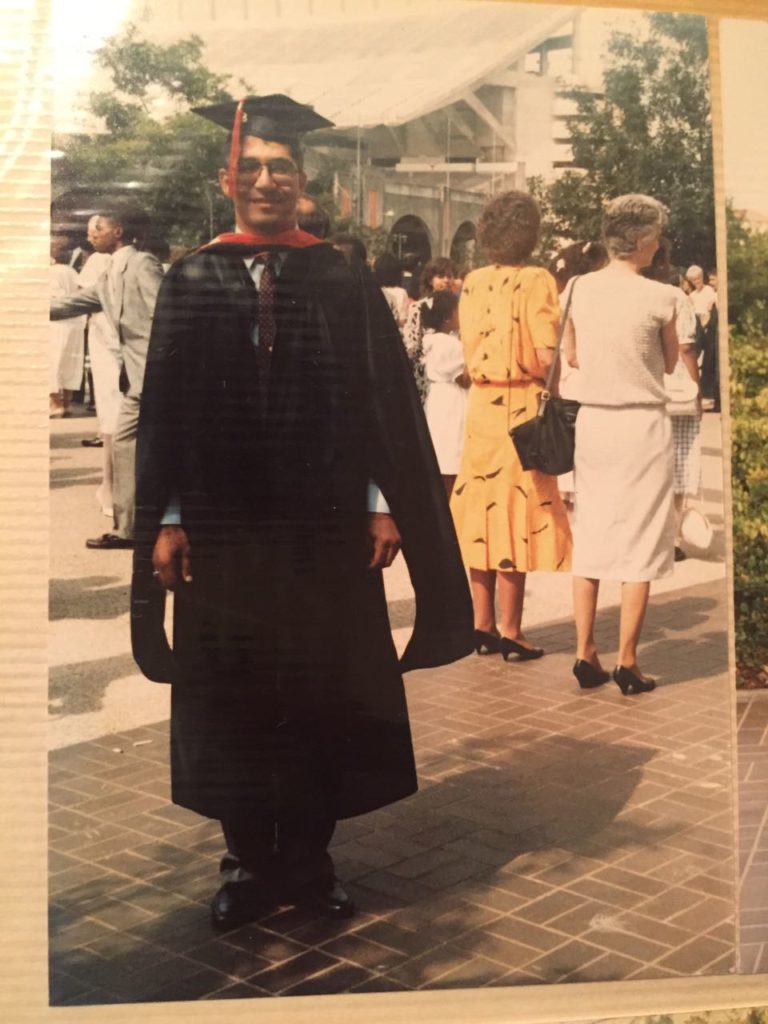
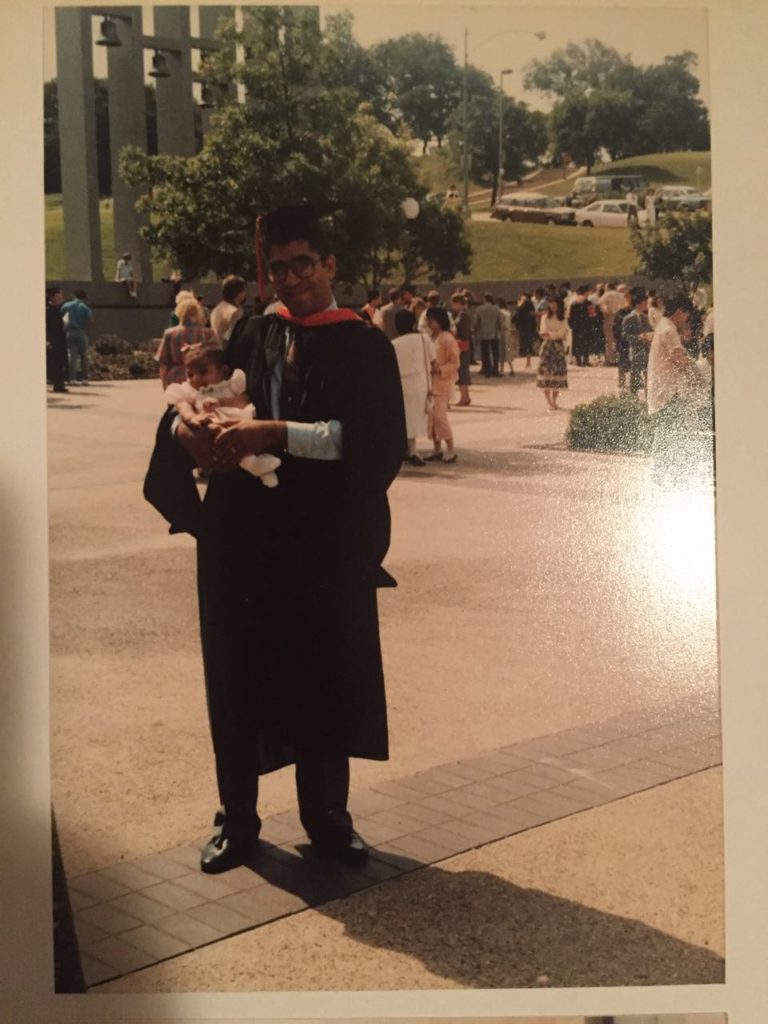
Hosam is a 58 year old grandfather of Egyptian nationality. He grew up in the US. Following completion of civil engineering at the University of Assiut in Egypt he moved back to the US where he and Ola commenced their graduate degrees at the University of Texas-Austin.
At the end of their studies, Hosam and Ola, with their children, moved back to Egypt where he started his own construction business known for its quality work and integrity. His company continues to operate today without disruption.

Hosam was politically active in Egypt after the 2011 revolution in the Al-Wasat party, a legally registered political party. After the 2013 military coup, just like thousands of political activists were detained, he was arbitrarily detained, never charged, and eventually released by the judicial system in 2016. Since 2013 he has had no political activity.

They have 3 children, Ahmad, Aayah and Toqa, two of which are American nationals and grandparents to 3 grandchildren also of American nationality. Hosam has two siblings who are American.

Ola and Hosam’s children reside in the United States and both of them are green card holders. Ola and Hosam have always been conscientious, moral, and law-abiding citizens who value freedom, liberty and justice.

The legal part of the case:

Ola and Hosam have a legal team of lawyers in Egypt selected and hired by the family. But they have not been allowed to access their legal counsel. The lawyers have been denied visitation permits.
Under international law everyone must have equal and effective access to legal counsel to allow for remedy for violation of their rights. Not only have Ola and Hosam faced unfair and politically motivated detention they have not been provided with the reasons for that arrest or being given the opportunity to challenge this ongoing detention.
International laws guarantee individuals their right to life shall be protected by law and that nobody shall be arbitrarily deprived of life.
When Ola and Hosam were taken into custody they were denied the following rights:
  1. They were not and still have not been formally informed of the nature and substance of the allegations against him;
  2. They were not provided with an arrest warrant or search warrant and the time of arrest.
  3. They were held in incommunicado detention for two days and the conditions of that period are unknown.
  4. They have not been provided with access or privileged communication with their legal representation;
  5. They have not been provided with access to their family;
  6. They have been subjected to solitary confinement that is argued amounts to torture;
  7. They have not been permitted to challenge the accusations or call evidence of their own.

11/28/17

Human Rights Day 2017: #SpeakUp4Egypt

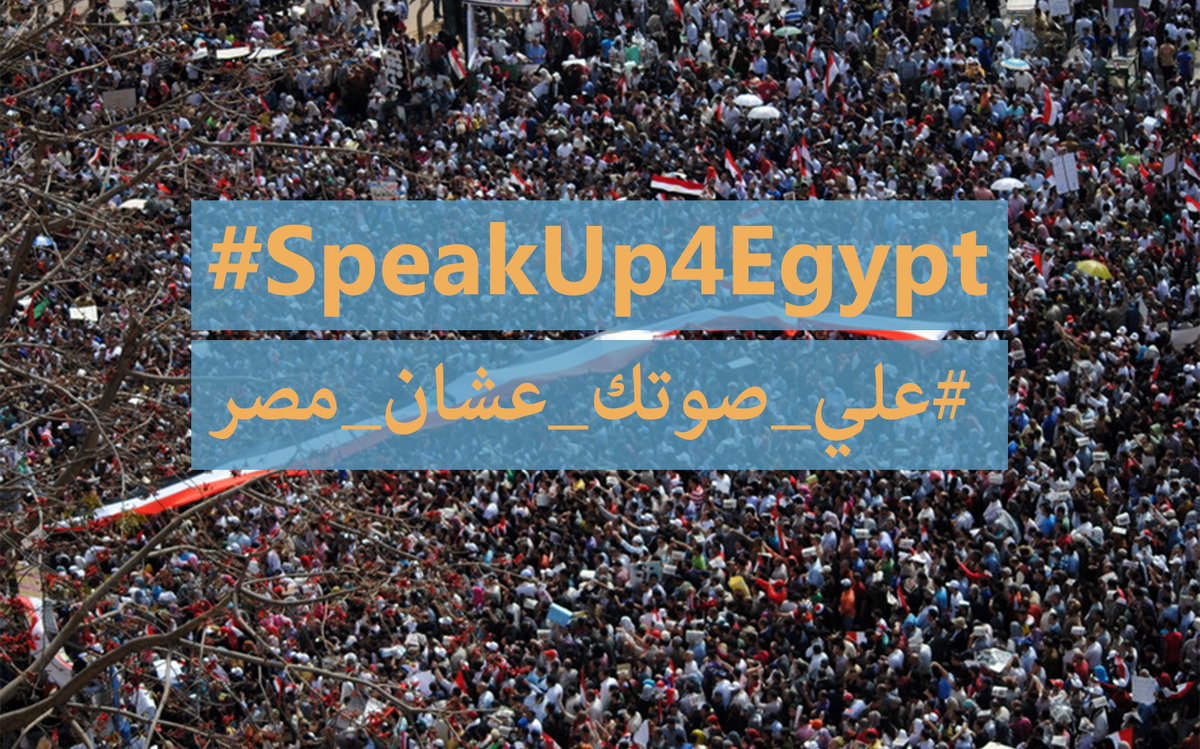
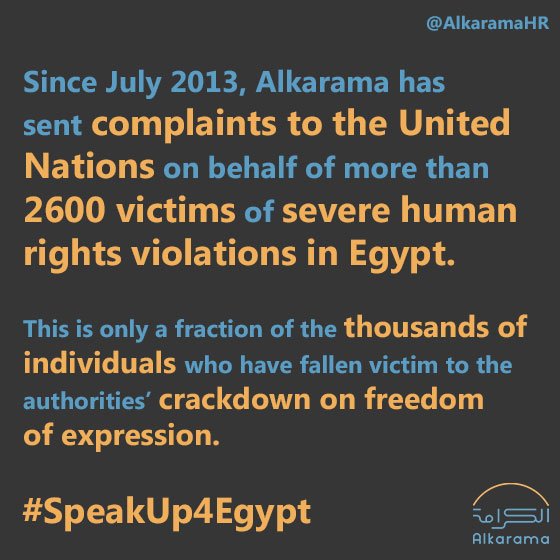
The following media is part of a campaign launched by Al Karamah foundation ahead of the International Day for Human Rights to raise awareness about the overlooked ongoing human rights crisis in Egypt. Please follow and write on the hashtag: #SpeakUp4Egypt on Twitter and Facebook.


Image may contain: 1 person, smiling, text and closeup

This is the campaign's video:


The following video profile is on a young Egyptian photographer who is a victim to the unfair judiciary and military system in Egypt.

On June 1, 2015, Omar Mohamed Ali and his wife, Esraa Eltaweel, were leaving a restaurant in Cairo when they were stopped by police officers, and subsequently disappeared for 15 days. While Esraa was charged with "spreading false news" and imprisoned for 7 months, Omar's case was transferred to a military court, and he was sentenced to life in prison on May 29, 2016. Omar was charged with "leaking classified military information", though no evidence has ever been found against him.


11/21/17

Disability as a price for #Jan25

The following are two examples we came across for ordinary young Egyptians who lost the ability to walk in their early twenties as a result of being injured in a peaceful protest against the military leadership after the military coup in 2013. 

As always, we try our best to highlight the voices and perspectives which don't get the same attention in the English and western media which likes to paint a black and white image for what has gone and is going on in Egypt. These two had very normal lives like any other university student in Egypt or the world until they decided to stand up for the truth. The price they paid for this was rather expensive.  


Asmaa Gamal who is pictured above is a young Egyptian woman from Alexandria who lost her leg for the revolution exactly 4 years ago, in November 2013. When he was shooting her, the police office said: "Now you won't be able to march in any protests any more".

Asmaa was shot by an Egyptian police officer during a protest in her leg and went through an amputation operation to remove her leg right after that. 

Asmaa walks on one leg since 2013 but since then she has also continued to be a huge source of hope, inspiration, and faith for so many in her circle as well as for thousands of social media followers. 


Mohammad Yousry a young Egyptian man from Alexandria was badly injured by the Egyptian security forces during the protests which took place as a response to the military coup shortly after it took place in July 2013.


He was paralyzed as a result and lost the ability to move. Like many revolutionary youth who were injured during the revolution, he is now on a wheel chair.

When you feel that your loss was big, when you feel despair and disappointed, remember the heroes who fought for a better future for Egypt!

Remember their sacrifices and the very high price they paid for the revolution and for standing up for justice, freedom, and truth. 

7/29/17

Egypt's Ultras: A documentary

There has been very little that was written or documented in English and western narratives on the Egyptian Ultras, a very significant force in the Egyptian revolutionary movement and the Egyptian political scene.

This recent documentary production gives you a good overview on the Ultras and their role in the Egyptian revolution. For more information, check out our other blogs under the hashtags: Ultras, Port Said.


1/18/17

2017: 1500 Egyptians put on 'terrorist list' in Egypt!

Why would a super star footballer with an international reputation become on a terrorist list?
 Welcome to Egypt!


Mohamamd Abu Treka is one of the Egyptians who're recently put on a terrorist list.

January 17th, 2017:

In another attack on civil rights and liberties in Egypt, 1500 Egyptians were put on a terrorist list, most of them without any prior investigations and solely based on political foundation.

Among the names are Mohammad Morsi, the first civilian democratically elected president of Egypt as well as Mohamamd Abu Treka, one of the most popular Egyptian and Arab footballer and an icon for Al Ahly football team. 

The list has over 100 women, political prisoners, hundreds of youth, journalists, and Egyptians from all walks of life. There are also names of persons who are already dead. 

Some of these individuals have already been imprisoned for several years since the military coup ( over political charges), while the others who're outside will now face a serious threat of their rights being violated, assets being frozen, and passports taken away from them as well as several other restrictions on their travel, movement, and business in Egypt. 

Some of the individuals on the new terrorist list:

Samhy Mostafa is a journalist who's been in prison for 3 years and is serving a life sentence.
 Abu Bakr Mashali, a young Egyptian enginner who left Egypt after the military coup
 Hesham Gaffar, a leftist journalist and academic who's been in prison over political basis.
Sondos Asem, an Egyptian academic in Britain is one of the women who are put on the terrorist list recently and has received a death sentence. You can read her story here:


Who is a terrorist in Egypt since 2013?

The Egyptian state's definition of who is a terrorist was really stretched since the July 3rd military coup in 2013. Since then it includes anybody who opposes or criticizes the Egyptian state/government. 

It's important for the western policy makers as well as any non-Egyptian reader and follower of the situation in Egypt to understand the motivations behind these decisions made by the Egyptian state. 

10/19/16

Human Rights in Egypt after the military coup: A detailed report


Do you hear about Egypt in the news anymore? If you are someone who followed Egypt after the military coup in 2013 you probably came across very few articles here and there. 

News updates on explosions, bombing, and infrastructure accidents usually get the most attention, if any. However, barely anything is said in English on the unprecedented scale of human rights violations, political persecution, and the social frustration and pressure affecting the lives of millions of Egyptians.

For decades and especially after the revolution in 2011, the Egyptian people who are experiencing human rights violations who are not English speakers, who reside outside of the center of attention don't get the same recognition internationals and celebrities receive when they are under the grip of the Egyptian state.

Unfortunately, this is something international news agencies and many of the advocacy groups fail to understand and as a result it has been one of our main motivations to do our translation work.

Earlier this year and for several months, members of our initiative coordinated with an aspiring human rights organization which shares the same concerns. For two years now The Egyptian Coordination for Rights and Freedoms has been trying to offer a neutral grassroots documentation of the human rights crisis in Egypt regardless of the ideology, political affiliation, or social class of the victim or their families. 
Their incredible work received the attention and was cited in several human rights reports and news articles but they still struggle so much to reach a wider audience due to their limited resources and linguistic abilities. 

The following post is a translation by one of our members for a summary and an introduction to one of their major projects so far. 
The project was a detailed report on human rights violations since July 2013 and up until the end of 2015. We worked for a few months on re-writing and editing the English translation of the Arabic report. It was a very challenging piece of work. Unfortunately, the original translation was done by a group of Egyptian recent graduates who were arrested afterwards. 

This is highly important work that didn't get the attention it deserved then, it's almost 2016 now but much of what's in the report hasn't changed yet. 

After reading this summary, you can easily download the English PDF version of the report here:
http://ecrfeg.org/en/2016/05/21/human-rights-in-egypt-where-to/


The Egyptian Coordination for Rights and Freedoms
The Summary of 2015 
Human Rights in Egypt: What could possibly be worse?
Since the establishment of the Egyptian Coordination for Rights and Freedoms, it has issued more than 40 reports over the course of the past 18 months. In addition to the annual and semi-annual periodical reports, a special annual report was issued for the year 2015, monitoring and documenting the violations of the Egyptian authorities against its citizens over 2015. This report notably is the most comprehensive report on the state of human rights in Egypt since the events of July 3, 2013.

The methodology of the reports is based on information gathered on a daily basis within "The Monitoring and Documentation Units" in the organization. These units are connected to another team within the Coordination, the team of human rights activists and lawyers who are based all over Egypt and are working to monitor all violations against the rights of the Egyptian people, following websites and official publications. In addition, these different units are communicating directly with the victims of the violations and their families.

The annual report is divided into three main sections each of which includes several chapters and subsections:

-The first section deals with: "Violations of civil and political rights", and discusses the following violations: Murder, arbitrary arrests, forced disappearances, torture in prisons and detention places, death penalties on political basis, the siege of villages and towns, violations against the most vulnerable groups (Children and women) and people with special needs, violations against immigrants and refugees, military trials for civilians, violations against students and university professors, violations against lawyers and professionals, and violations against human rights activists and journalists.
- The second Section deals with: "Violations of economic and social rights", and discusses dismissals from work places as well as another phenomena in the Egyptian society which is suicide.
- The third section includes an explanation of the general environment or legal framework for human rights research.

Egypt: Human Rights Violations in Numbers

Arbitrary Killing: In 2015, the Egyptian Coordination monitored 335 cases of extrajudicial killings where: 7 citizens were killed by execution; 27 citizens were murdered through torture; 87 citizens were murdered by medical negligence; 50 citizens were murdered during protests; and 143 citizens were killed by live ammunition or by throwing them from the rooftops or by killing them in an unknown explosive accidents; apart from 21 dead due to sectarian violence.
Torture: In 2015, 387 cases of torture were documented based on complaints received directly from victims’ families; a total of 876 cases of torture were documented, including cases without verification from victims’ families.
Death Sentences on a Political Basis: We monitored 1763 cases that were referred to the Grand Mufti, including 1758 males and 5 females, of whom 4 defendants died in detention after referral to the Mufti. During the time period of the report, 729 death sentences were issued; of whom 427 were sentenced to death and their appeal has not yet been considered; 260 were sentenced to death and granted an appeal, granting a retrial; 7 were sentenced to death, their appeal was granted with a retrial, and then they were sentenced to death for the second time; 56 were sentenced to death, and they face retrial on lesser penalties or have been acquitted.
Arbitrary Detention: We observed during 2015 approximately 23,000 cases of arbitrary detention of Egyptian citizens. Most of these citizens are under temporary detention, or have been referred to trial - military or civilian trials - in which they are not guaranteed a fair trial.
Enforced Disappearances: We observed 1840 cases of enforced disappearance of Egyptian citizens during the period of observation; approximately 366 of these cases are still regarded as enforced disappearances at the time of this report’s publication, and we will attach to the report a detailed list about people who are still considered cases of enforced disappearance based upon testimony gathered from the families of the victims.
Referral of Civilians to Military Trials: We observed about 6,048 referral of civilians to military courts including 578 students and minors, 74 doctors, 181 teachers, and 30 lawyers. Around 163 of these cases received a ruling, wherein 18 civilian citizens were sentenced to death, more than 1000 were sentenced to life imprisonment, and thousands more were sentenced to serve prison terms ranging from 7 to 15 years. 

Violations against the Most Vulnerable Groups


Women: Our report confirms the continuation of state-supported oppression of the Egyptian women since July 2013 and until today. Oppression of women included all kinds of abuse, ranging from murder, enforced disappearances, arbitrary detention, violations against minors, mothers, and wives, and arbitrary sentences. There have been more than 2,000 women and girls detained in the period from July 3, 2013 until the end of 2015.
As of this report’s publication, there are still sixty (60) women subjected to arbitrary detention by the security forces, some of whom have faced fabricated accusations on political basis.
Children: Egyptian minors are exposed to sever amounts of violations, over 2015 there were 630 arrests, 16 cases of extrajudicial killings, 250 cases of torture, 121 cases of enforced disappearances, and 89 cases medical negligence inside prisons.
People with special needs: The Coordination monitored 480 cases of detention, arrest and court rulings against people with special needs or disabilities.
Refugees: According to official sources, there are 80,000 Syrian refugees in Egypt, other sources indicate that the number of Syrian refugees in Egypt has increased to 250 thousand. Refugees were exposed to serious violations including arbitrary arrest and forced disappearances, in addition to restrictions on the issuance of residence permits which forced many of them to escape Egypt through different ways. We managed to monitor the presence of 44 Palestinians in Egyptian prisons and four cases of enforced disappearance.

Freedom of Movement, Thought, and Expression
Media and journalism: We documented the following violations against journalists and media workers:
1.   The killing of 4 journalists in different violent incidents.
2.   The enforced disappearance and torture of 14 journalists.
3.   193 instances of physical abuse during media and press coverage.
4.   50 cases of arbitrary detention of journalists.
5.   38 journalists and media workers were referred to criminal trials, whether civilian or military trials.
6.   12 TV programs were prevented from airing.
7.   Egyptian security and/or police raided the headquarters of 14 newspapers, satellite television channels, and news websites.

Freedom of Movement: During this period the siege of several villages and cities was observed in various governorates of Egypt, preventing citizens from moving freely, restricting them, and arbitrarily detaining a large number of citizens. In addition to this, a large number of citizens were prevented from traveling, particularly jurists, journalists, and community figures. The number of Egyptian prisons increased from 42 to 51 after nine new prisoners were built in 2015.
Economic and Social Rights
The rise of suicide rates and incidents in Egypt raised red flags and media attention last year. The Coordination monitored 215 suicide cases in 2015 alone, 174 of which of were males and 41 females. 52% of the suicide cases are for people between the ages of 18-35.
In the same context, the report monitored that the administrative body of the Egyptian state has listed more than 5,000 government employees working in various ministries and ordered their dismissal based on charges of “belonging to political and/or religious organizations” without evidence of any crimes. Among these names were 51 judges, 671 media worker and journalists, 46 university professors, and 200 teachers who were all dismissed from work on political basis in 2015 alone.
Recommendations
At the end of the report, The Egyptian coordination recommended that a neutral investigation committee needs to be established in order to examine all the reports and complaints regarding the violations of the political, human, and social rights of the Egyptian citizens.

The Coordination demanded the assertion of the right to freedom of expression, the immediate cancellation of military trials for civilians and the release of all civilians convicted in military trials, the immediate cancellation of “Protest law” and other similar restrictive laws and releasing all political prisoners who’re arrested under their pretext, and finally reviewing all political death sentences in the past 3 years and asserting the right of those sentenced to death to fair civilian trials.
The Coordination also demanded that the United Nations and the international community have a serious participation in pressuring the Egyptian state to abide by and respect international human rights covenants, measurements, and laws.
Finally, the Egyptian Coordination for Rights and Freedoms asked that the UN and the international community should have an open position and not be silent on the violations of human rights taking place in Egypt. The Coordination emphasized the dire need to support and amplify the efforts of local civil society and human rights organizations operating under critical conditions so that they can continue to do this work and be committed to serving the Egyptian people and the victims of human rights violations.